
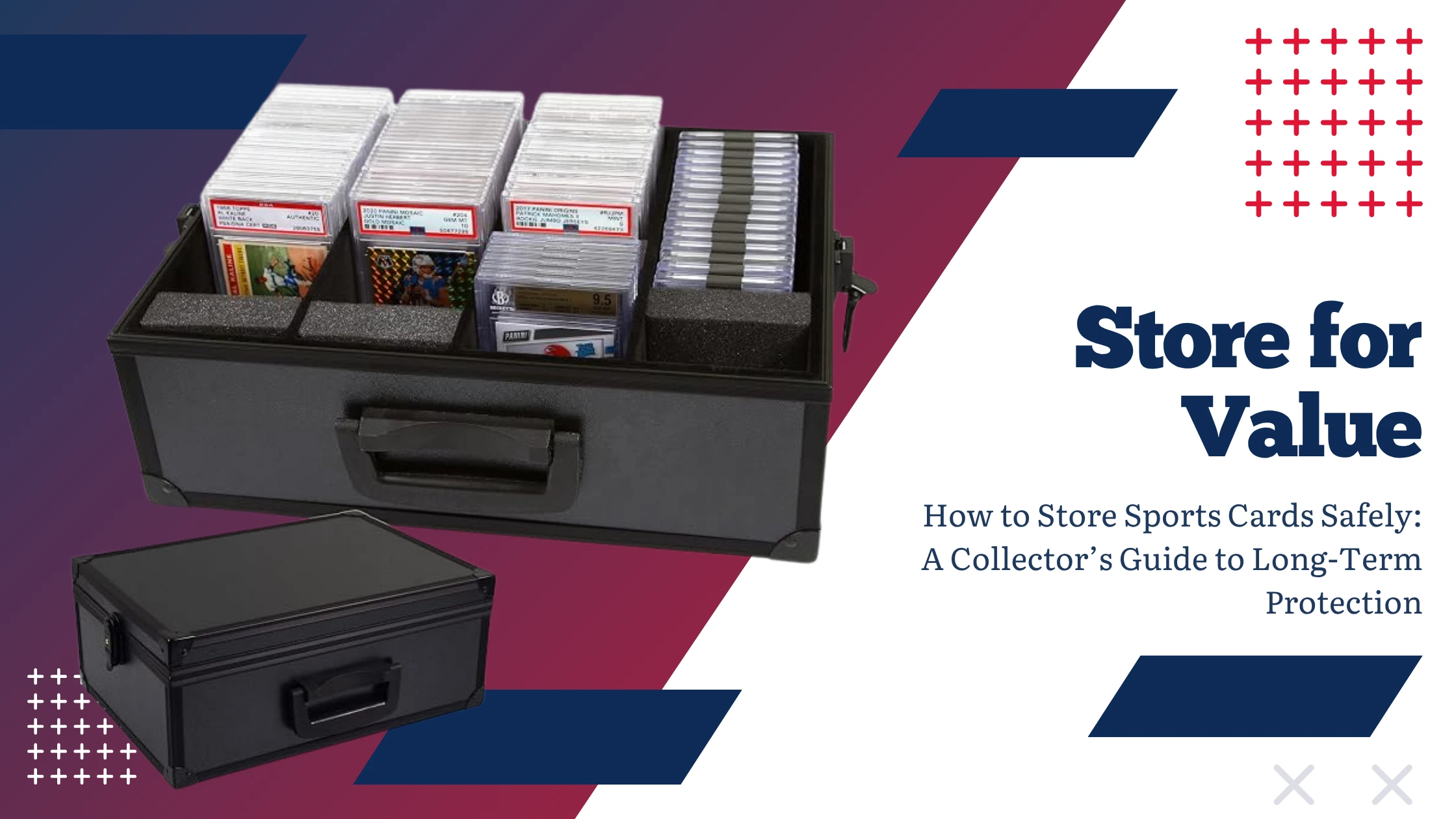
For many collectors, the hobby starts with excitement: opening packs, sorting favorite players, building sets, and chasing key rookies. But once the cards are in hand, a practical question comes up quickly: how to store sports cards so they stay in great shape over time.
Storage matters whether you collect vintage stars, modern rookies, autographs, relics, or everyday inserts. Good storage habits help reduce the risk of bent corners, surface scratches, moisture damage, fading, and unnecessary handling wear. Just as important, an organized collection is easier to enjoy, trade, and revisit.
In this guide, we’ll walk through the best way to store trading cards, what supplies to use, where to keep your collection, and how to organize cards for both short-term access and long-term protection.
Why proper sports card storage matters
Condition is a major part of collecting. Even if you never plan to grade or sell your cards, keeping them clean and protected preserves the look and integrity of your collection. Small issues like edge chipping, soft corners, warping, or scratches can happen more easily than many new collectors realize.
Common threats to sports cards include:
- Excess handling
- Humidity and temperature changes
- Direct sunlight
- Dust and debris
- Overpacked boxes or binders
- Poor-quality storage materials
The good news is that protecting your collection usually comes down to consistent habits and the right supplies.
Start with the right card protection supplies
If you want to protect sports cards from damage, begin with individual protection. Different cards call for different types of holders, but a few basics go a long way.
Penny sleeves
Soft sleeves are often the first layer of protection. They help reduce surface scratching and general handling wear. Penny sleeves are a smart choice for many standard cards before placing them into another holder.
Top loaders
For many collectors, sleeves and top loaders are the standard combination. A sleeved card placed into a rigid top loader gets much better protection against bending and corner damage. This setup works well for rookies, inserts, numbered cards, and other favorites you want to keep accessible.
Card savers
Some collectors prefer semi-rigid holders for certain submissions or storage situations. These can provide a different fit and feel than top loaders while still offering structure and protection.
Magnetic holders
For special display cards, autographs, or standout pieces, magnetic holders can be useful. Just make sure the card fits the holder correctly and isn’t forced into the wrong size.
Binders and binder pages
Binders can be great for sets, inserts, and collections you enjoy flipping through. If you use binders, choose quality pages designed for trading cards and avoid overfilling pages or rings that can put pressure on the cards.
The best way to store trading cards by type
Not every card in your collection needs the exact same level of protection. A helpful approach is to match storage to the card’s importance, condition, and how often you handle it.
Everyday base cards
For base cards, commons, or bulk you’re keeping for sorting, team lots, or set building, storage boxes made for trading cards are often the most practical choice. Keep cards upright, not packed too tightly, and organized by sport, brand, year, set, or player.
Rookies, parallels, inserts, and numbered cards
These cards usually deserve at least a penny sleeve and top loader. If you revisit them often, labeling sections in a dedicated storage box helps reduce handling while making them easy to find.
Autographs, relics, and premium cards
Thicker cards and premium hits may need holders designed for their specific thickness. Using the wrong size holder can create unnecessary pressure or movement. Keep these cards in a stable, protected environment and avoid stacking them loosely.
Set collections
If your goal is building complete sets, binders or clearly labeled boxes can both work well. Binders offer a great viewing experience, while boxes may be better for larger sets or long-term archival storage.
How to organize your sports card collection
Good sports card organization ideas make collecting easier and more enjoyable. You don’t need a complicated system, but you do want one that makes sense for the way you collect.
Popular ways to organize include:
- By sport
- By year
- By brand or set
- By team
- By player
- By rookies, stars, and inserts
- By trade/sell/keep categories
If your collection is growing, labels are your friend. Clearly marked storage boxes, divider cards, and simple inventory notes can save time and help you avoid unnecessary shuffling through stacks.
Many collectors also separate their collection into tiers, such as:
- Display cards
- Main collection
- Set-building cards
- Trade bait
- Bulk storage
This keeps your most important cards protected while still making the rest of the collection manageable.
Control the storage environment
One of the most overlooked parts of archival card storage is the room itself. Even the best sleeves and holders can only do so much if cards are stored in a poor environment.
Avoid humidity
Humidity and card storage go hand in hand. Excess moisture can lead to warping, sticking, and long-term damage. Try to store your cards in a dry, climate-stable indoor area rather than a damp basement, garage, or attic.
Avoid temperature extremes
Rapid temperature swings and excessive heat can affect cards and storage materials. A consistent room temperature is generally better than areas that get hot in summer or very cold in winter.
Keep cards out of direct sunlight
Sunlight can contribute to fading and heat exposure. Store boxes, binders, and display cards away from windows or direct light whenever possible.
Choose clean, stable shelving
Keep storage boxes off the floor if possible, especially in areas where moisture could be a concern. Sturdy shelves, cabinets, or closets can provide a safer long-term home for the collection.
Smart handling habits matter too
Learning how to preserve card value isn’t just about storage. It also depends on how you handle your cards day to day.
Helpful habits include:
- Wash and dry your hands before sorting
- Handle cards by the edges when possible
- Prepare sleeves and holders before moving valuable cards
- Avoid repeatedly removing cards from protective holders
- Use a clean, flat surface when sorting or organizing
The more often a card is handled, the more opportunities there are for minor wear. Even careful collectors benefit from limiting unnecessary movement.
Common sports card storage mistakes to avoid
If you’re looking for practical sports card storage tips, it helps to know what not to do.
Some common mistakes include:
- Storing raw cards loose in drawers or bins
- Using damaged or dirty holders
- Overstuffing storage boxes
- Putting valuable cards in low-quality binder pages
- Leaving cards in cars, garages, or damp rooms
- Stacking unprotected cards on top of each other
- Using holders that are the wrong size for thick cards
Small storage issues can add up over time. A few upgrades now can save frustration later.
Build a storage system that fits your collection
There isn’t one perfect method for every collector. The best way to store trading cards depends on what you collect and how you enjoy the hobby. A vintage-focused collector may prioritize archival boxes and limited handling. A set builder may prefer binders. Someone chasing modern hits may rely heavily on sleeves, top loaders, and dedicated sorting boxes.
The key is consistency. When every card has a place and your best cards get the protection they need, your collection becomes easier to maintain and more enjoyable to browse.
Final thoughts
Knowing how to store sports cards properly is one of the most valuable skills in the hobby. The right sleeves, holders, boxes, and environment can help protect your collection from everyday wear and long-term damage. Just as important, a well-organized collection lets you spend less time searching and more time enjoying the cards themselves.
If you’re looking to improve how you store, sort, or protect your collection, Bethany Sports Cards Plus is a great place to start. Explore the shop for supplies and collector essentials, and check the main collection page for your next hobby pickup.